
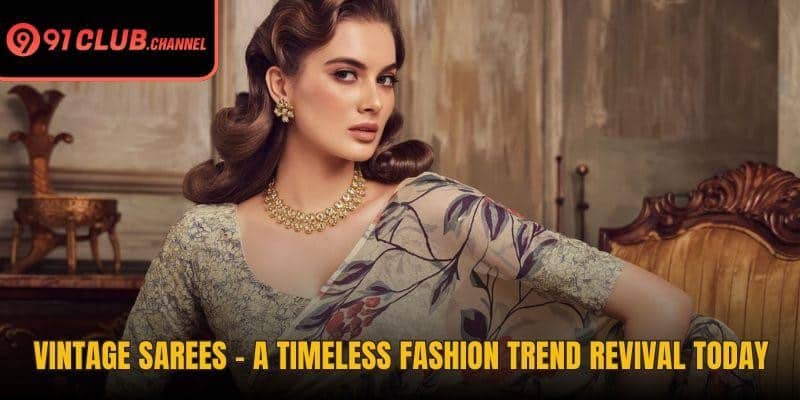
Vintage Sarees represent a sophisticated bridge between the glorious textile traditions of the past and modern luxury aesthetics. This resurgence of heritage craftsmanship has become a major focal point for the style experts at 91 club. Embark on a journey through history and discover how to integrate these exquisite heirlooms into your wardrobe.
Vintage Sarees trend overview and modern relevance
Vintage Sarees are currently experiencing a significant revival as modern women seek unique alternatives to mass-produced fashion. These garments carry the stories of previous generations, offering a sense of soul and continuity that new clothes often lack. Their growing popularity reflects a deep cultural shift toward valuing authenticity and timeless elegance.
Younger fashion enthusiasts are now raiding their grandmothers’ closets to find rare handloom pieces that stand out in a digital world. These classic drapes provide a sophisticated silhouette that works perfectly for both formal events and high-end social gatherings. The trend celebrates the endurance of traditional Indian attire in an ever-changing global market.
The presence of these historic textiles on international runways has further solidified their status as high-fashion items. Designers are increasingly drawing inspiration from the intricate weaves and antique borders found in these well-preserved collections. This movement ensures that the legacy of master weavers continues to thrive in the contemporary fashion landscape.
Vintage Sarees materials, patterns and craftsmanship
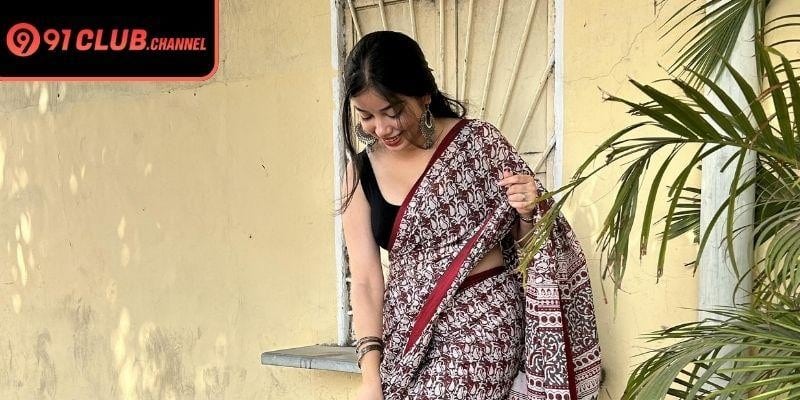
The allure of these garments lies in the exceptional quality of the materials and the meticulous attention to detail. Skilled artisans spent months, sometimes years, creating a single piece using techniques that are now considered rare or lost. This dedication results in a finished product that is truly a work of art.
Vintage Sarees traditional fabrics and textures
The tactile experience of wearing these pieces is defined by the use of pure gold and silver threads. Collectors often search for Vintage Sarees that feature authentic Kanjeevaram silk or fine Banarasi brocade for their superior durability. These natural fibers age beautifully, developing a soft luster that synthetic materials simply cannot replicate.
The weight and fall of antique fabrics are significantly different from modern power-loom versions. Pure mulberry silk and hand-spun cotton provide a breathable yet regal drape that enhances the wearer’s natural movements. Such high-quality construction ensures that the garment remains in excellent condition even after several decades of careful use.
Traditional dyeing processes used in the past involved natural ingredients like indigo, turmeric, and madder root. These organic pigments create deep, resonant colors that maintain their vibrancy much longer than modern chemical alternatives. The result is a palette of rich, earthy tones that exude an unmistakable aura of royal heritage.
Motifs, borders and heritage design elements
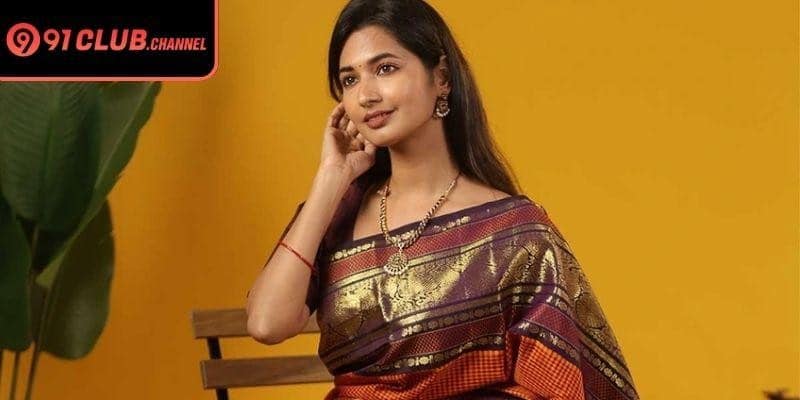
Detailed borders often feature intricate depictions of peacocks, temple spires, and floral vines that signify specific regional origins. The artistic value of Vintage Sarees is significantly enhanced by these hand-woven patterns that reflect local folklore and nature. Each design element serves as a silent testimony to the weaver’s unparalleled skill.
The pallu, or the decorative end of the drape, usually contains the most complex imagery and heavy metallic work. Classic motifs like the “butti” or small floral sprays are distributed across the body of the fabric with mathematical precision. These elements work in harmony to create a visual balance that is both grand and understated.
Authentic antique pieces often feature metallic thread work that does not tarnish easily due to its high precious metal content. This shimmering detail provides a festive glow that makes the garment suitable for the most prestigious occasions. Understanding these design nuances allows collectors to appreciate the true historical worth of their textile treasures.
Sustainability value in fashion Vintage
Choosing to wear these historic garments is a powerful statement in favor of a more sustainable and ethical industry. The longevity of Vintage Sarees proves that well-made clothing can last for many generations without losing its functional or aesthetic value. This practice directly counters the environmental damage caused by the current fast-fashion production cycle.
By repurposing and cherishing existing textiles, consumers significantly reduce the demand for new resource-intensive manufacturing processes. This approach preserves the energy and water that would otherwise be spent on creating inferior, short-lived fashion products. It promotes a mindful lifestyle centered on the principles of conservation and respect for human labor.
Furthermore, supporting the market for antique textiles helps keep traditional restoration skills alive among modern artisans. Specialized dry-cleaners and darning experts are essential for maintaining the integrity of these delicate and valuable historical assets. This ecosystem of care fosters a deeper connection between the consumer and the history of their clothing.
Vintage Sarees styling in contemporary wardrobes
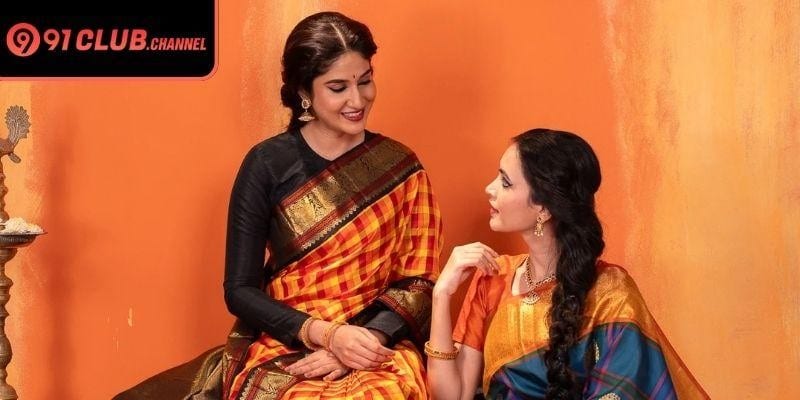
Modern styling involves mixing these classic textiles with unexpected contemporary elements to create a fresh and bold fashion statement. Vintage Sarees can be paired with structured crop tops, leather belts, or even tailored blazers for a cosmopolitan look. This creative flexibility makes them a versatile choice for the modern, fashion-forward woman.
- Belted Silhouettes: Add a metallic or leather waist belt to a classic drape to create a structured and modern professional look.
- Contemporary Blouses: Pair an antique weave with a halter-neck or cold-shoulder top to balance traditional charm with current fashion trends.
- Bohemian Layering: Use a long-line trench coat or a denim jacket over your drape for an edgy, street-style inspired ethnic appearance.
- Statement Footwear: Combine these historic silks with pointed stilettos or embroidered sneakers to showcase a playful and unique personal style.
- Minimalist Jewelry: Let the heavy embroidery of the fabric shine by choosing sleek, modern gold pieces instead of traditional heavy sets.
Conclusion
Vintage Sarees are the ultimate expression of timeless beauty, proving that true style never fades with the passing years. Embracing these heritage drapes allows us to honor our ancestors while making a conscious choice for the future. Explore more fascinating cultural trends and lifestyle tips by joining our community at 91 club today.
